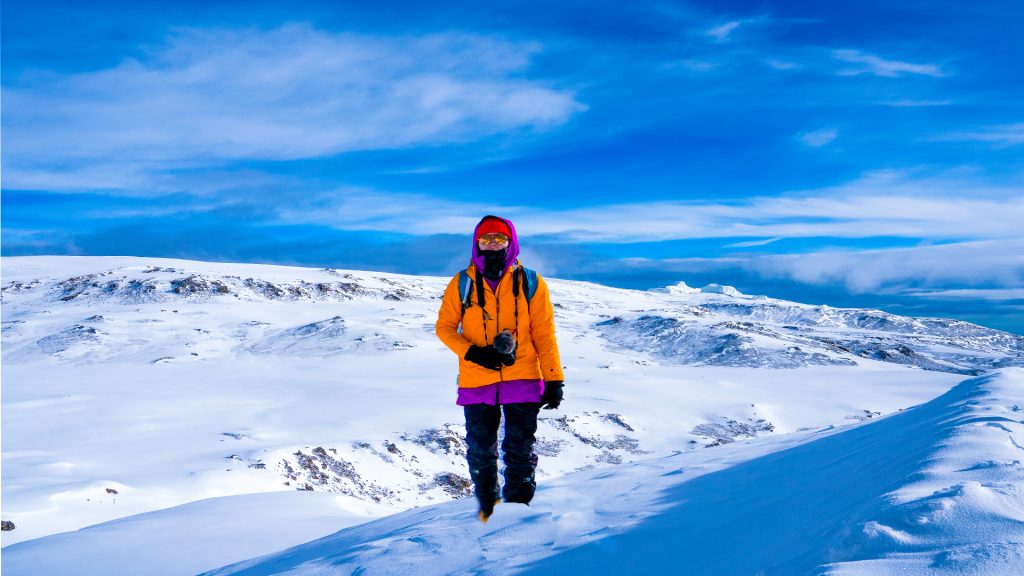
Trekking in Tanzania is more than an adventure — it’s a journey through iconic peaks and breathtaking landscapes. Conquer the mighty Mount Kilimanjaro, stand atop the rugged wilderness of Mount Meru, and experience the sacred power of Ol Doinyo Lengai, the Mountain of God.
Each summit tells a story of challenge, beauty, and spiritual connection in the heart of Africa.
Kilimanjaro is the fourth most topographically prominent peak on Earth. It is part of Kilimanjaro National Park and is a major hiking and climbing destination in Africa and the World.
Climb to the top roof of Africa
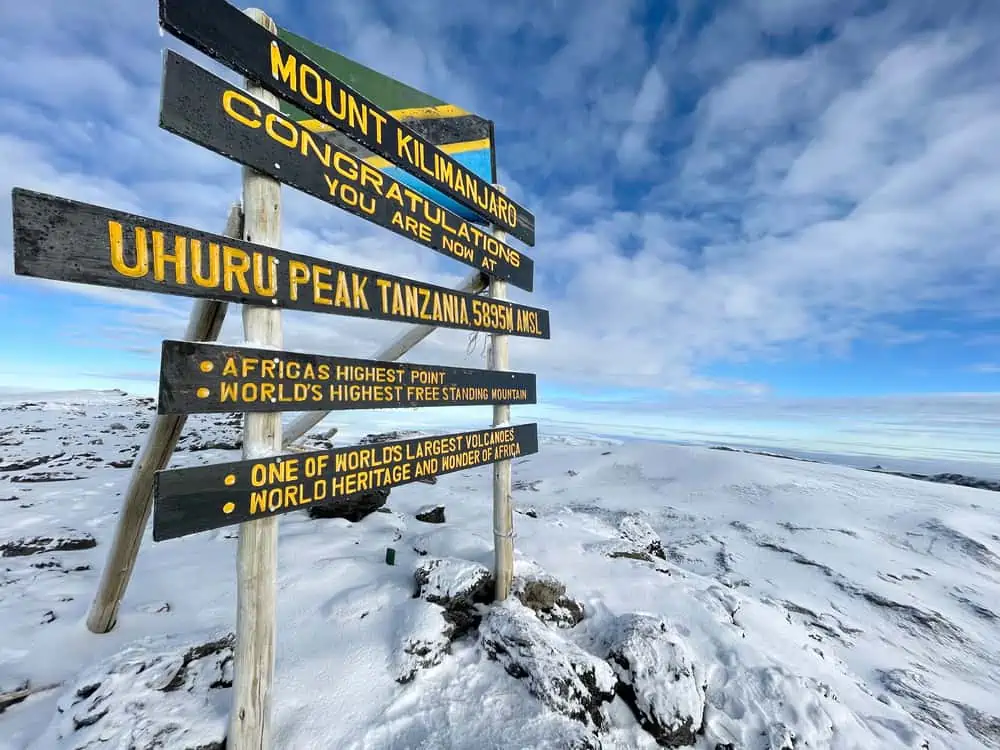
A dormant volcano in Tanzania with three volcanic cones: Kibo, Mawenzi, and Shira. It is the highest mountain in Africa and the highest single free-standing mountain above sea level in the world: 5,895 metres (19,341 ft) above sea level and about 4,900 metres (16,100 ft) above its plateau base. It is the highest volcano in Africa and the Eastern Hemisphere.
Kilimanjaro is the fourth most topographically prominent peak on Earth. It is part of Kilimanjaro National Park and is a major hiking and climbing destination in Africa and the World.
The routes to the top
Mount Kilimanjaro can be climbed via several established routes, each offering a unique experience in terms of scenery, difficulty, duration, and accommodation style.
- The Marangu Route is known as the “Coca-Cola Route,” offering hut accommodation and a shorter, more direct climb.
- The Machame Route, or “Whiskey Route,” is more scenic and popular, with camping and better acclimatization.
- The Lemosho Route is a longer, quieter trail offering stunning views and a high success rate.
- Shira Route is similar to Lemosho but starts at a higher altitude, requiring good acclimatization.
- Umbwe Route is the steepest and most challenging, suited for experienced climbers.
- Rongai Route approaches from the north, offering a drier and less crowded path, ideal during the rainy season.
- Northern Circuit is the longest and most panoramic route, offering the best acclimatization and highest success rate for summiting Africa’s highest peak.
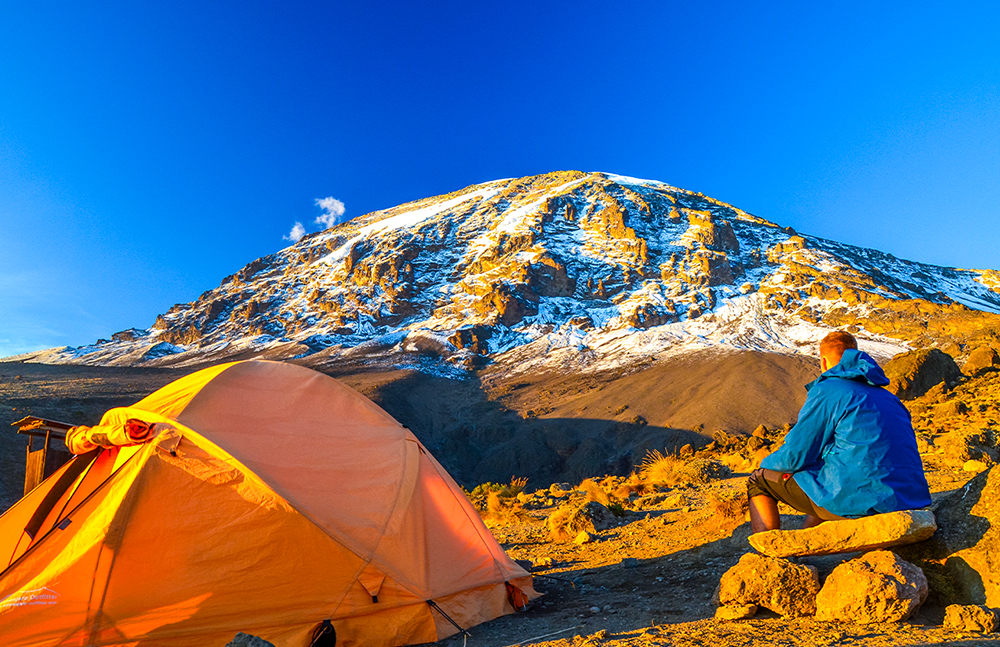
Marangu Route (Cocacola Route)
- Duration: 5–6 Days
- Accommodation: Mountain huts (the only route with dormitory-style sleeping huts)
- Difficulty: Moderate
- Scenery: Moderate; same trail up and down
- Pros: Comfortable huts, budget-friendly
- Cons: Less scenic, lower summit success rate due to quick ascent
- Best for: First-time trekkers seeking a shorter and easier rout
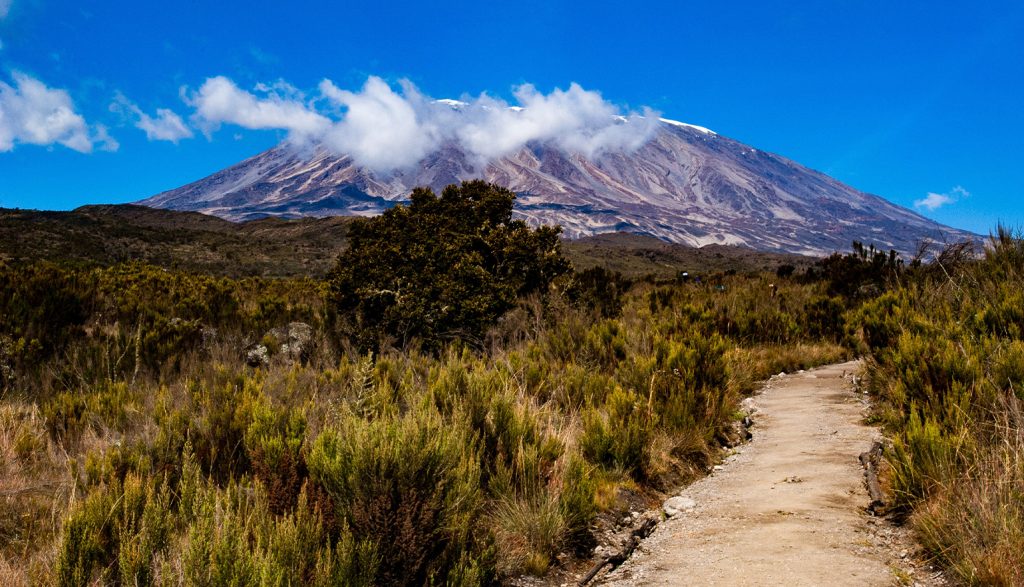
Umbwe Route
- Duration: 6–7 Days
- Accommodation: Camping
- Difficulty: Very challenging
- Scenery: Dramatic and steep
- Pros: Quiet, less crowded
- Cons: Poor acclimatization profile, low success rate
- Best for: Experienced and physically fit climbers seeking a demanding ascent
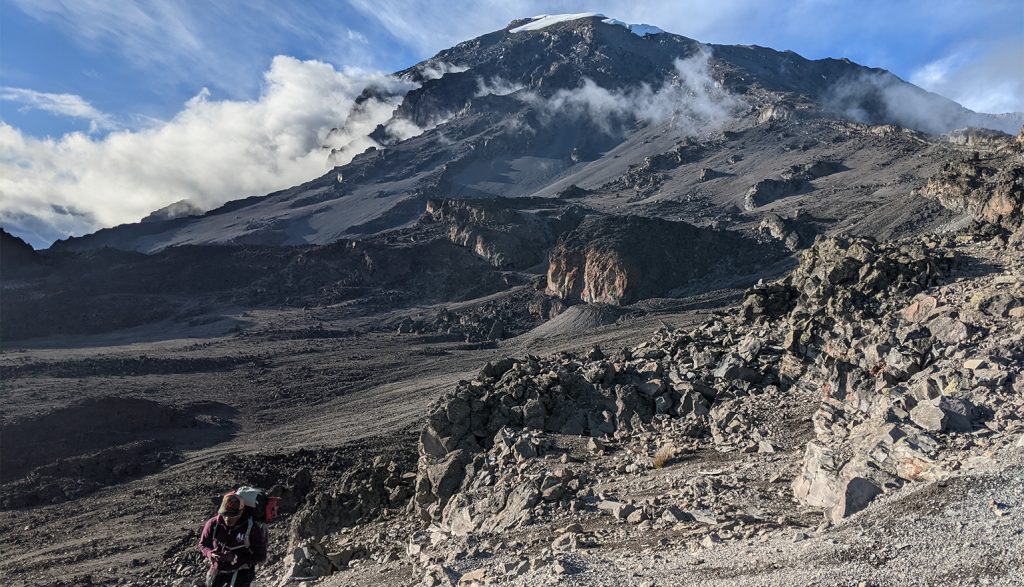
Shira Route
- Duration: 7–8 Days
- Accommodation: Camping
- Difficulty: Challenging
- Scenery: Scenic but starts at higher elevation
- Pros: Beautiful west-side approach
- Cons: Higher risk of altitude sickness due to sudden elevation gain at the start
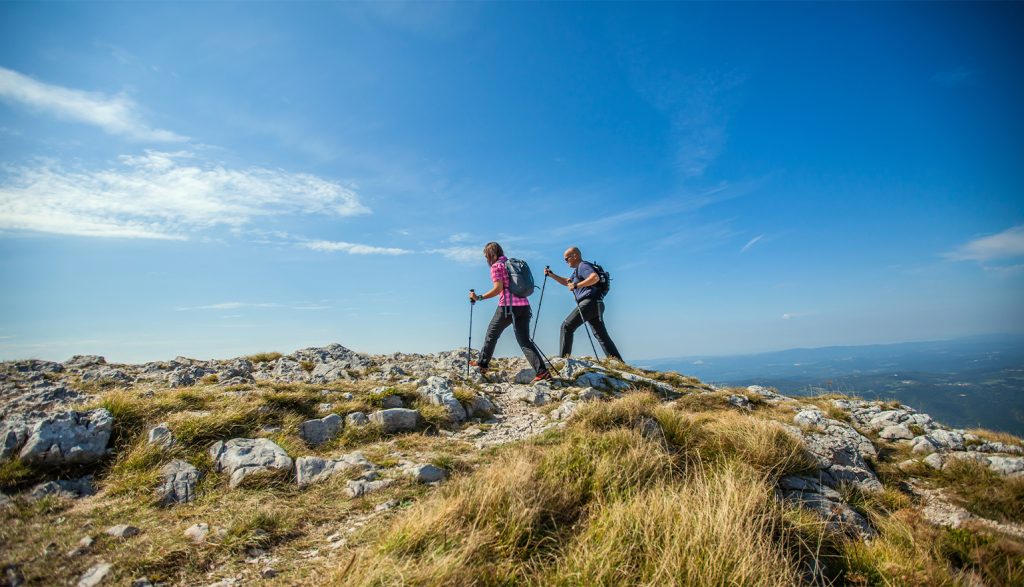
Rongai Route
- Duration: 6–7 Days
- Accommodation: Camping
- Difficulty: Moderate
- Scenery: Drier northern approach with views over Kenya
- Pros: Less rainfall, less crowded
- Cons: Less scenic than western routes
- Best for: Climbers looking for a quieter, easier route during the rainy season
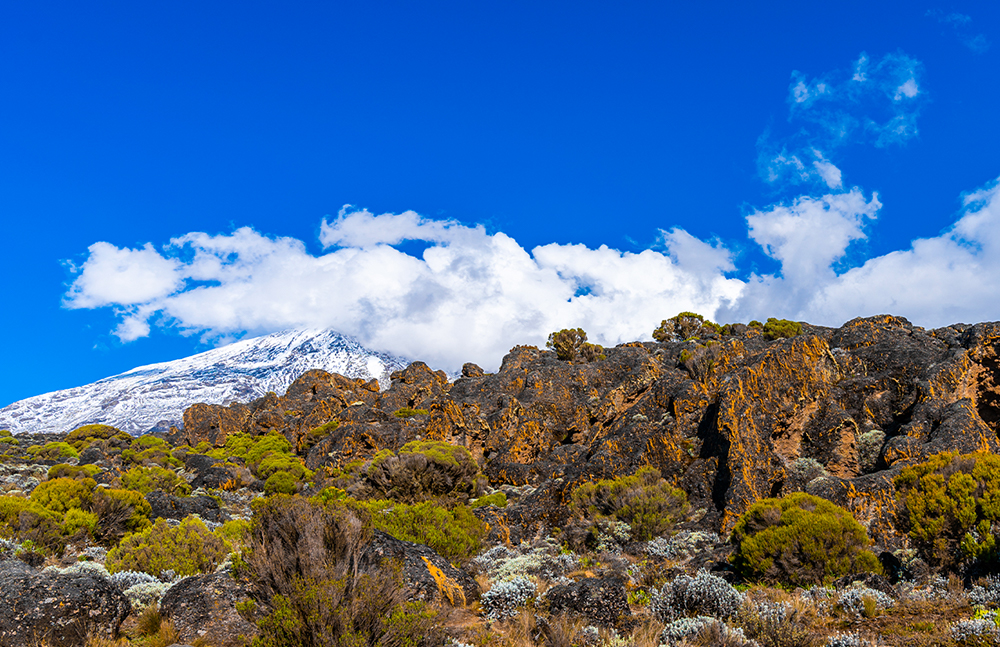
Machame Route
- Duration: 6–7 Days
- Accommodation: Camping
- Difficulty: Challenging
- Scenery: Very scenic, varied landscapes
- Pros: Great acclimatization profile, high success rate
- Cons: Popular and can be crowded
- Best for: Adventurous hikers looking for a scenic and successful climb
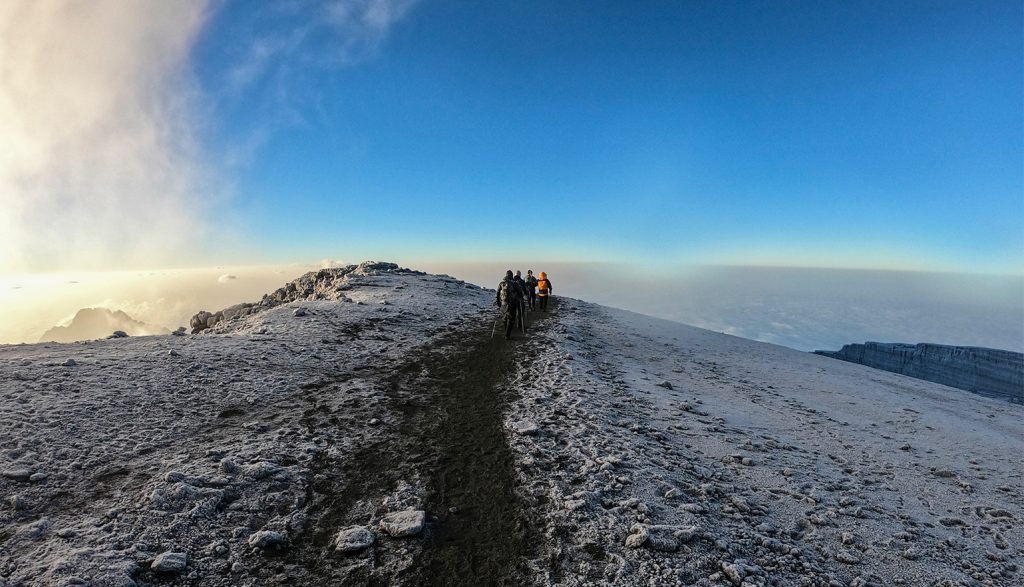
Lemosho Route
- Duration: 7–8 Days
- Accommodation: Camping
- Difficulty: Moderate to challenging
- Scenery: Spectacular, less crowded
- Pros: Excellent acclimatization, high success rate, beautiful views
- Cons: Slightly more expensive
- Best for: Trekkers seeking a scenic and quieter route with high success
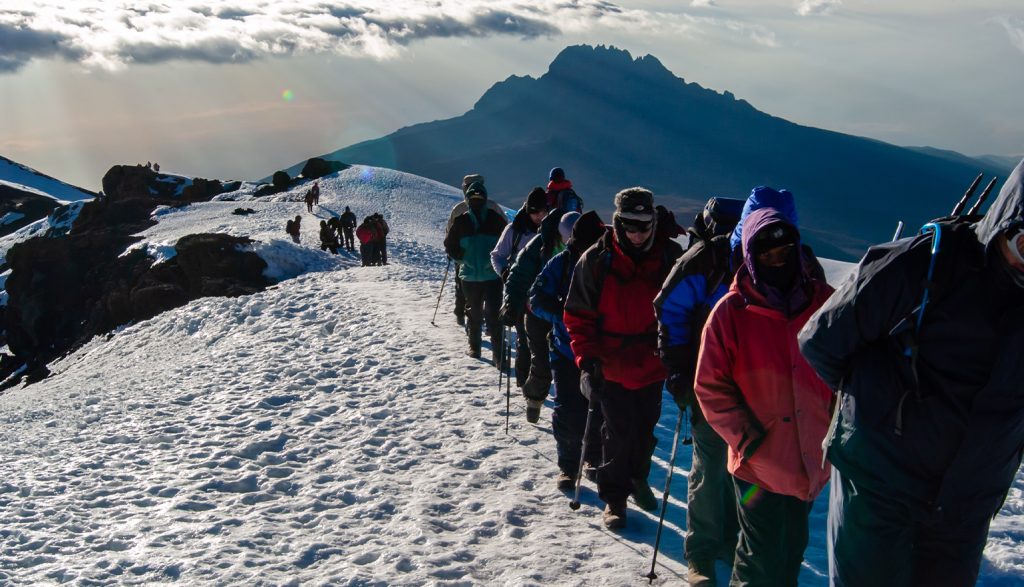
Northern Circuit Route
- Duration: 8–9 Days
- Accommodation: Camping
- Difficulty: Moderate
- Scenery: Most panoramic and varied route
- Pros: Longest route, excellent acclimatization, highest success rate
- Cons: Longest and more expensive
- Best for: Trekkers with more time seeking the most comprehensive Kilimanjaro experience
Climb Mt. Meru
Often called Kilimanjaro’s little brother, Mount Meru (4,566m) offers one of Tanzania’s most rewarding trekking adventures. Set within Arusha National Park, the climb takes you through lush forests, wildlife-filled slopes, and dramatic ridges before rewarding you with breathtaking sunrise views over Kilimanjaro. Less crowded but equally thrilling, Meru is perfect for adventurers seeking a shorter, scenic climb with rich wildlife encounters along the way.
Mt. Meru is a dormant volcano about 1 ½ million years old. One side of exploded out about 8,000 years ago as Meru’s caldera lake was transformed into super-heated steam by an inner eruption.
One of the largest landslides of mud and rock ever measured worldwide took place, forming hillocks, valleys and small lakes.
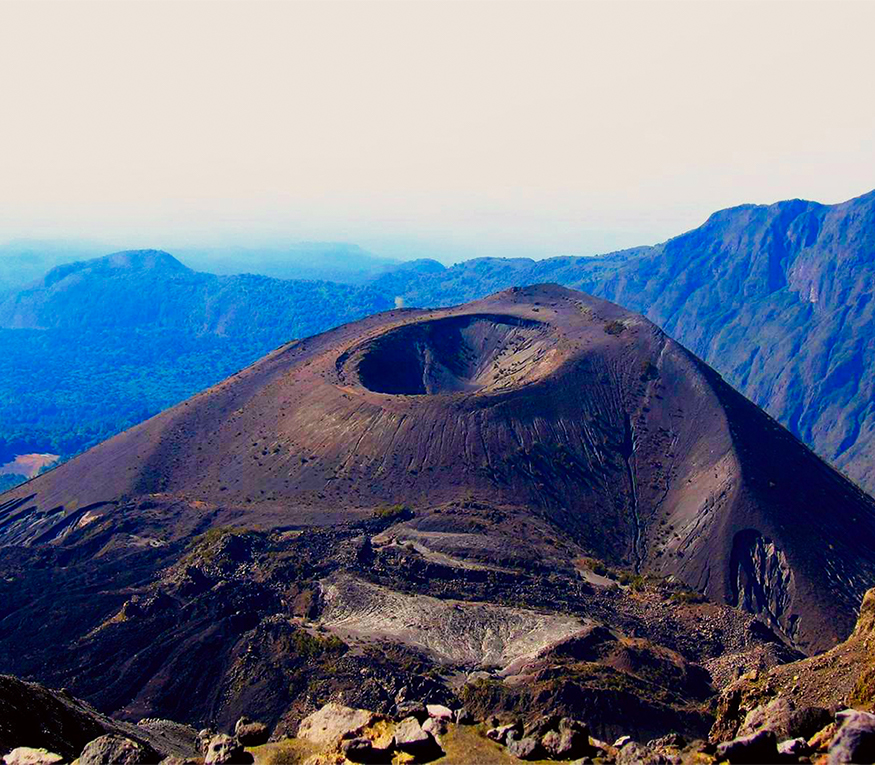
Experience Mt of God
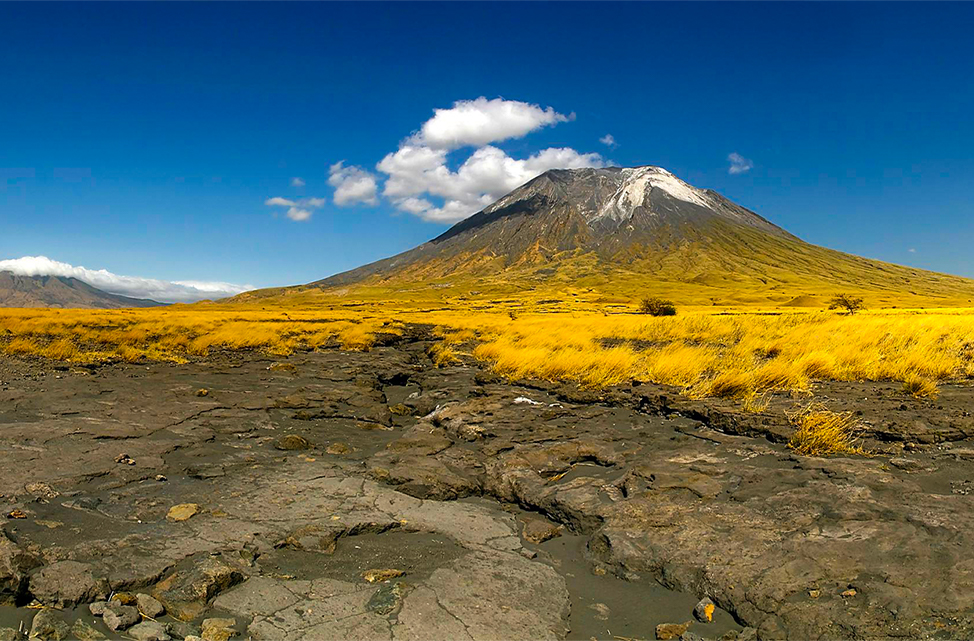
Rising from the heart of the Great Rift Valley, Ol Doinyo Lengai (2,962m) is one of Tanzania’s most unique and sacred mountains. Known to the Maasai people as the Mountain of God, it is the only active carbonatite volcano in the world.
The trek is steep and challenging, often beginning at midnight to reach the summit by sunrise — where adventurers are rewarded with breathtaking views over Lake Natron, the Rift Valley, and even Mount Kilimanjaro on a clear day. Climbing Ol Doinyo Lengai is a spiritual and physical journey, perfect for trekkers seeking a rare and unforgettable adventure.