Destination at a Glance
The Serengeti speaks for itself and with good reason not only the migration of over 1 million wildebeest through its plains and woodlands but also unique landscapes and other spectacular wildlife.
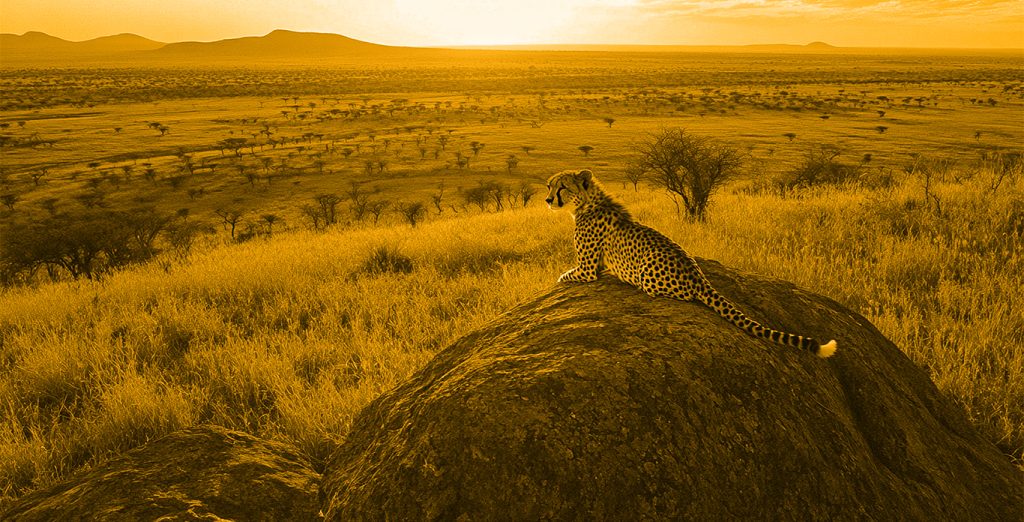
The Serengeti is home to the world’s largest populations of Wildebeest, Zebra, Cape Eland, Lion, Cheetah, Hyena and Gazelles. The scenic beauty of the sky with cool nights and warm days makes your visit to this remaining home for great migration of large mammals incredible!
The magic of the Serengeti is hard to define in words as it is a banquet for the senses. Of course, the sights are unbelievable, yet so are the audios as numerous wildebeest on the step make noise.
This is something you will try to explain to loved ones prior to realizing it’s difficult.
You can likewise appreciate panoramas of plains at sundown so lovely that it deserves the trip just for this alone. Whether you stay for two days or a week, it never seems to be long enough to take in all the Serengeti has to offer.
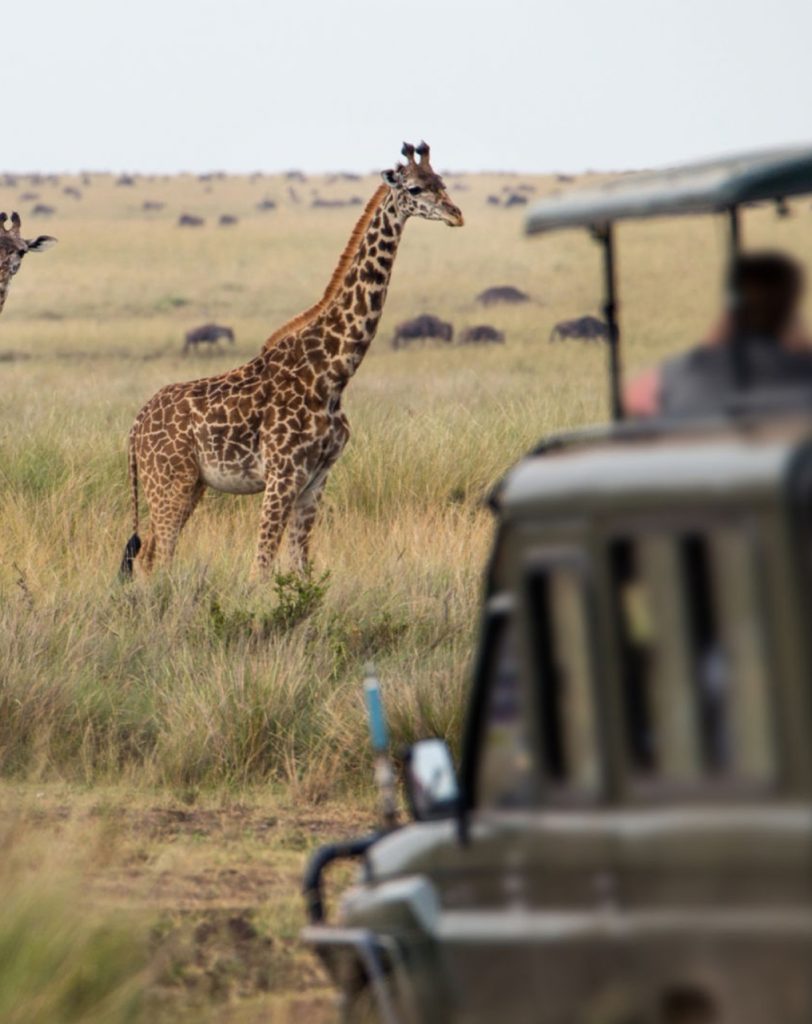
Dream, Explore and Discover the unforgettable moments in the Land of the World’s best wild SHOW with us…
Attraction at a glance
Whether you stay for two days or a week, it never seems to be long enough to take in all the Serengeti has to offer.
The annual migration of animals within Tanzania’s Serengeti and Kenya’s Maasai Mara ecosystem involves an estimate 1.7 million wildebeest as well as 0.3 zebra, 0.4 Thompson gazelles.
The Serengeti is on almost everyone’s wish list for a safari to Tanzania, but one can only absorb the full extent of Tanzania’s extraordinary depth and character as a safari destination by including other places in one’s travels.
The Great Migration
The great migration is the world’s longest overland migration. The complete migration route is around 800 km (500 mi). South of this migration route covers the Ngorongoro Conservation Area where around half a million Wildebeest are born between January and March.
By March, at the beginning of the dry season, roughly 1.5 million and 250,000 zebras start to migrate heading north towards Maasai Mara in Kenya. Common eland, plains zebra, and Thomson’s gazelle join the wildebeest.
In April and May, the migrating herds pass through the Western Corridor. To get to the Maasai Mara, the herds have to cross the Grumeti and Mara Rivers where around 3,000 crocodiles lie in wait. For every wildebeest captured by the crocodiles, 50 drown. When the dry season ends in late October, the migrating herds start to head back south.
Around 250,000 wildebeests and 30,000 plains zebras die annually from drowning, predation, exhaustion, thirst, or disease.